
How to Stop Biting Nails: Simple Tips That Really Work
Biting your nails is one of the most common habits people struggle to break. It often starts during childhood and can continue into adulthood without much thought. Some people bite their nails when they feel anxious or stressed, while others do it out of boredom or simply because it has become part of their daily routine. Although it may seem harmless, constant nail biting can weaken your nails, damage the skin around them, increase the risk of infections, and affect your confidence.
The good news is that nail biting is a habit—not a permanent part of who you are. Like any habit, it can be replaced with healthier behaviors through patience and consistency. Instead of relying on willpower alone, you can use practical techniques that make biting less tempting while encouraging healthier nail growth. This guide shares simple, realistic tips that have helped many people stop biting their nails and enjoy stronger, healthier hands.
1. Identify What Triggers Your Nail Biting
The first step toward breaking any habit is understanding what causes it. Nail biting rarely happens without a reason. Many people bite their nails when they feel stressed before a meeting, while studying, watching television, scrolling on their phone, or even while driving. Others do it when they feel bored, nervous, or deep in thought. Because the habit becomes automatic, you may not even realize you’re doing it until you’ve already bitten several nails.
Spend a few days observing yourself without judging your behavior. Keep a small note on your phone and write down when you catch yourself biting your nails. Pay attention to your emotions, surroundings, and activities at that moment. Once you identify your personal triggers, you’ll be able to prepare for them and choose a healthier response instead of automatically putting your fingers in your mouth.

2. Keep Your Nails Trimmed and Well Maintained
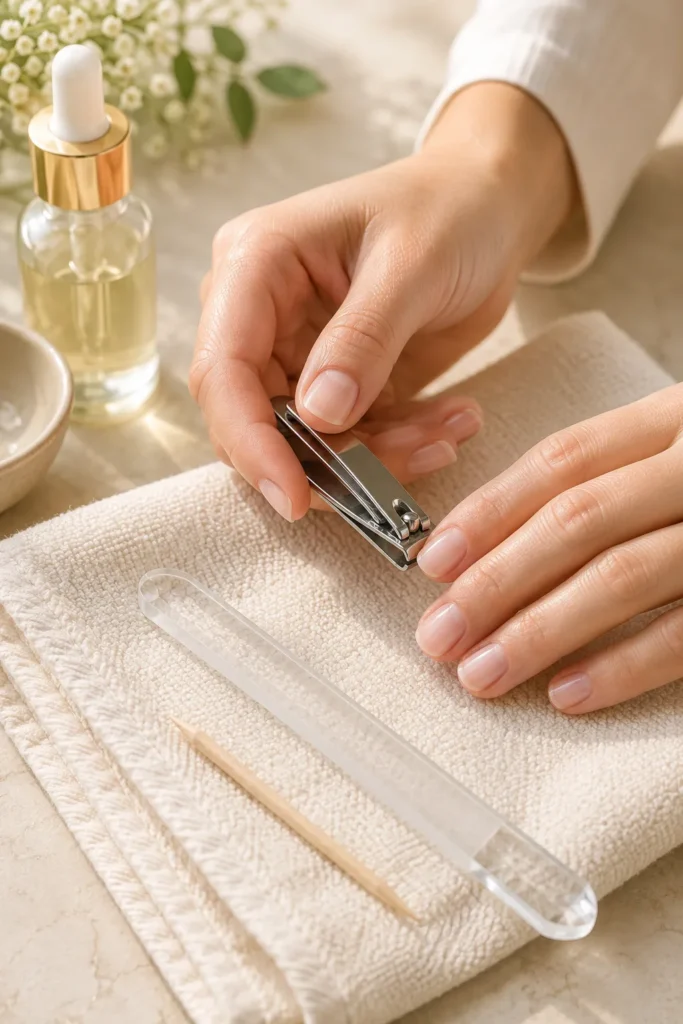
Long or uneven nails can make biting feel more tempting. Jagged edges, peeling corners, or broken nails often encourage people to “fix” them with their teeth, which usually leads to even more damage. Keeping your nails neatly trimmed removes much of that temptation and helps you stay aware of their condition.
Make nail care a regular part of your weekly routine. Trim your nails every week, gently file rough edges, and clean underneath them. If possible, apply a clear strengthening polish or get a simple manicure. When your nails look neat and healthy, you’ll naturally feel more motivated to protect the progress you’ve made instead of ruining it through biting.
3. Use Bitter-Tasting Nail Polish
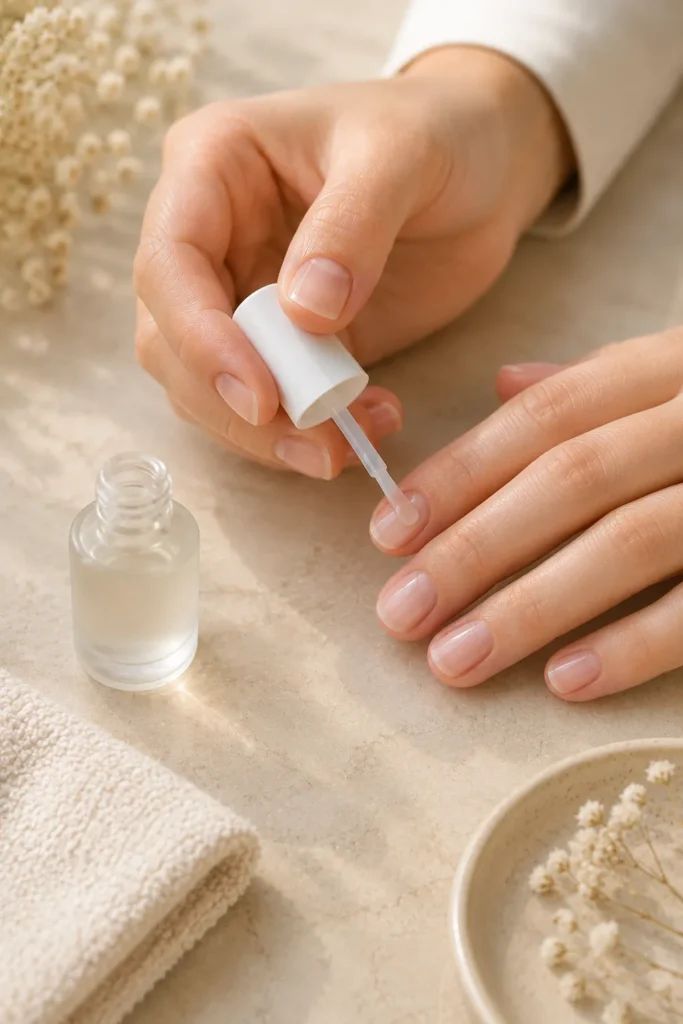
One of the easiest tools for breaking the nail-biting habit is bitter-tasting nail polish. These specially designed clear coatings have an unpleasant flavor that immediately reminds you not to bite whenever your fingers reach your mouth. The bad taste creates an instant interruption, helping you become more aware of unconscious nail biting.
Although bitter polish isn’t a complete solution by itself, it works surprisingly well when combined with other habit-breaking techniques. Reapply the product regularly so it stays effective throughout the week. Over time, your brain begins connecting nail biting with an unpleasant experience, making the habit easier to avoid.
4. Replace the Habit With Something Else
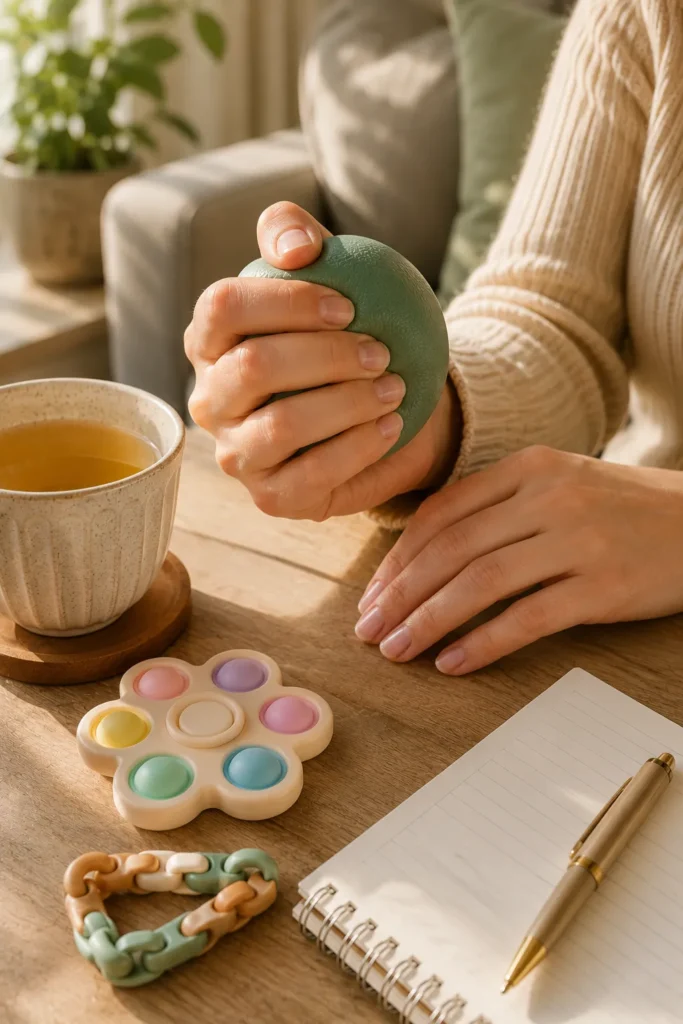
Simply telling yourself to stop biting rarely works because your brain still craves the familiar action. Instead of trying to eliminate the behavior completely, replace it with another activity that keeps your hands busy. This strategy makes it easier to redirect your attention whenever the urge appears.
Stress balls, fidget toys, pens, paper clips, knitting, drawing, or even folding a piece of paper can keep your fingers occupied. If your nail biting happens while watching TV or working at your computer, keep one of these items nearby. Eventually, reaching for the replacement activity becomes more natural than biting your nails.
5. Moisturize Your Hands and Cuticles Every Day
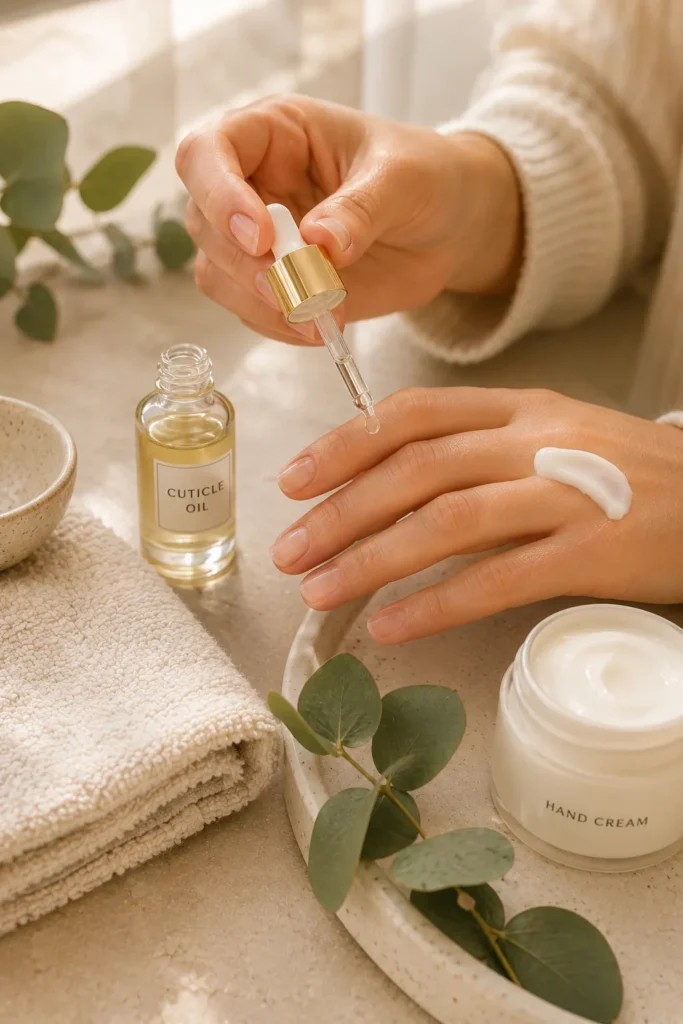
Dry skin and rough cuticles often tempt people to bite or pick at their fingers. Small hangnails can quickly turn into damaged skin if they’re constantly pulled or chewed. Moisturizing your hands regularly helps prevent these problems while improving the overall appearance of your nails.
Apply cuticle oil and a nourishing hand cream every morning and before bed. Massage the products gently into your nails and surrounding skin to improve hydration and circulation. Healthy, soft cuticles make your nails look better and remove many of the small imperfections that trigger nail biting in the first place.
6. Wear Gloves or Finger Covers During High-Risk Moments
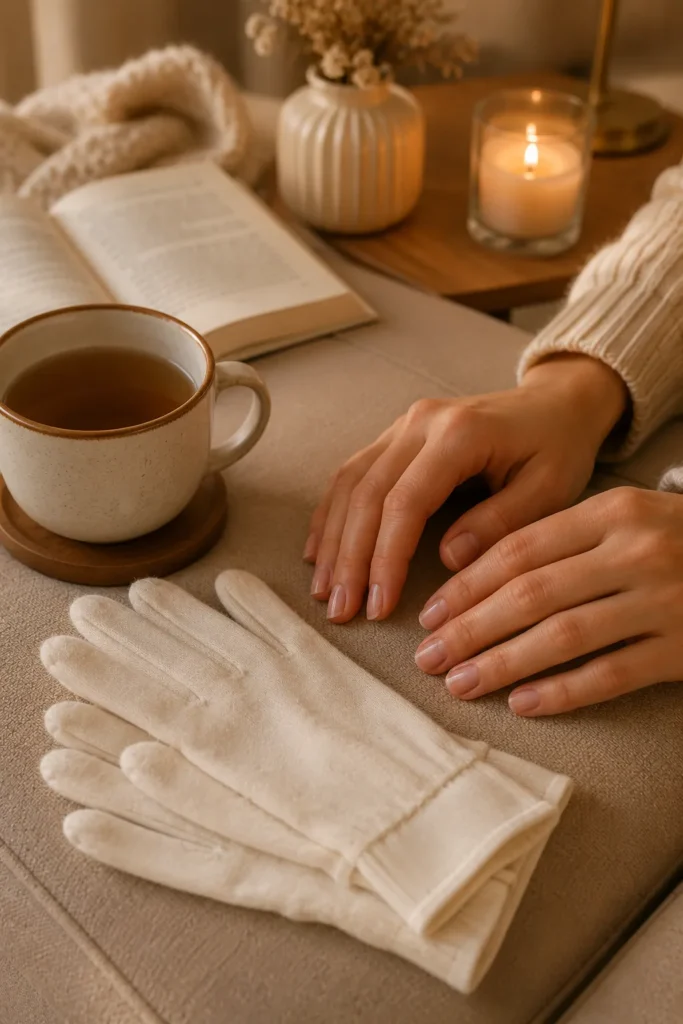
Sometimes the simplest solution is creating a physical barrier between your nails and your mouth. If you usually bite your nails while watching television, reading, studying, or working from home, wearing lightweight cotton gloves or silicone finger covers can interrupt the habit before it begins. The extra layer forces you to become aware of what you’re doing instead of biting automatically.
While gloves aren’t a permanent solution, they can be extremely helpful during the early stages of breaking the habit. Think of them as a reminder rather than a punishment. Once you become more aware of your triggers and spend less time biting your nails, you’ll gradually rely on them less often. Many people find that wearing gloves for just a few hours during their highest-risk times significantly reduces nail biting.
7. Reward Yourself for Every Milestone
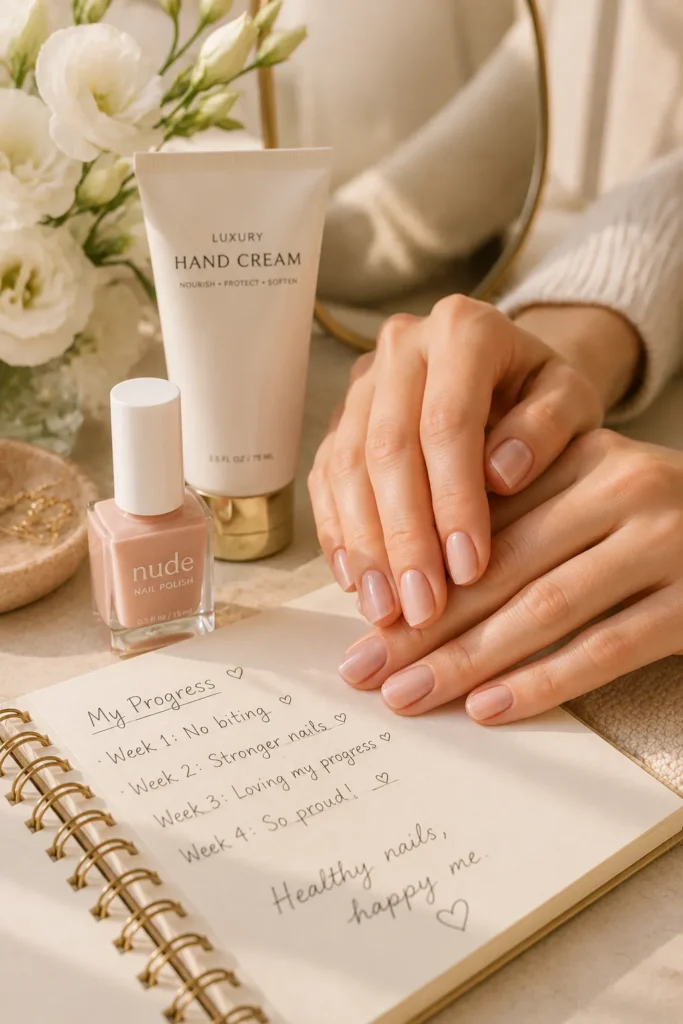
Breaking a long-term habit deserves recognition. Instead of focusing on the days when you slip up, celebrate every small success along the way. Setting achievable goals keeps you motivated and helps your brain associate healthy behavior with positive outcomes.
Start with simple milestones such as one day, three days, or one week without biting your nails. Reward yourself with something enjoyable like a new nail polish, nourishing cuticle oil, a relaxing hand cream, or even a professional manicure. Watching your nails become healthier while treating yourself for your progress creates a powerful cycle of motivation that encourages you to keep going.
8. Reduce Stress With Healthy Coping Habits
Stress is one of the most common reasons people bite their nails. Whether it’s work deadlines, school assignments, family responsibilities, or everyday worries, anxiety often causes people to chew their nails without realizing it. Learning healthier ways to manage stress can dramatically reduce the urge.
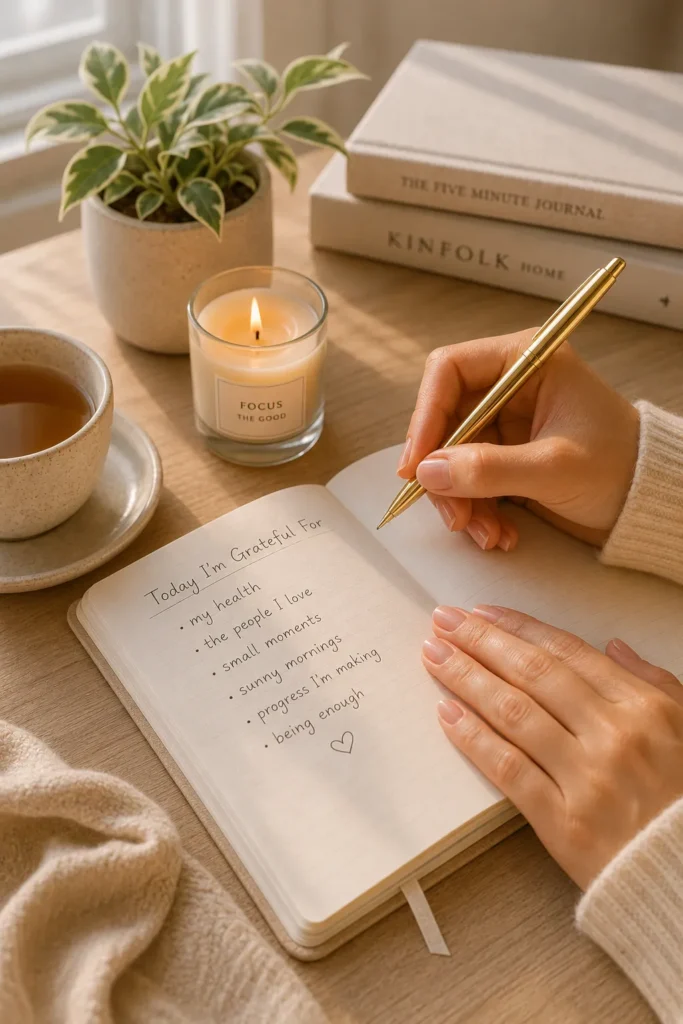
Simple relaxation techniques can make a noticeable difference. Deep breathing exercises, short walks, yoga, meditation, journaling, or listening to calming music all help lower stress levels. Regular physical activity also releases tension and improves your overall mood. The calmer you feel, the less likely you’ll be to rely on nail biting as a coping mechanism.
9. Be Patient While Your Nails Grow
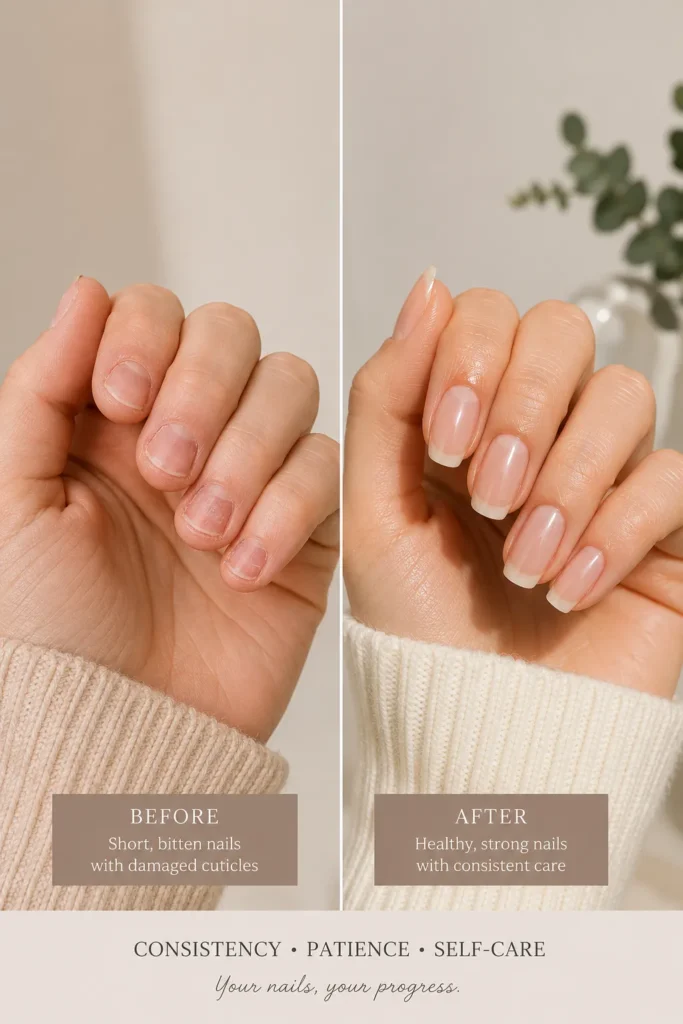
Healthy nails take time to recover, especially if you’ve been biting them for years. Fingernails grow slowly, usually only a few millimeters each month, so visible improvement doesn’t happen overnight. It’s normal to feel impatient during the first few weeks, but staying consistent will eventually pay off.
Take photos of your nails every week to track your progress. Comparing your current nails to older pictures can be incredibly motivating because you’ll notice improvements that might otherwise go unnoticed. Even if you experience an occasional setback, remember that one bad day doesn’t erase weeks of progress. Simply continue your routine and focus on your next success instead of dwelling on mistakes.
10. Seek Professional Help if the Habit Continues
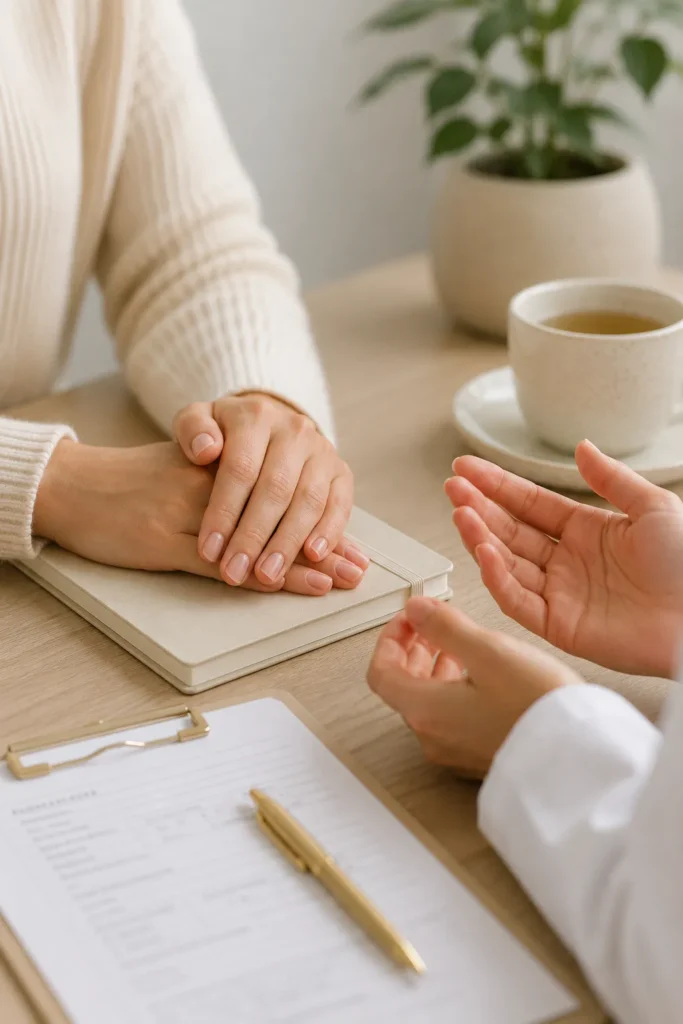
For some people, nail biting goes beyond a simple habit and becomes difficult to control despite repeated attempts to stop. If your nail biting causes bleeding, infections, severe nail damage, or emotional distress, it may be helpful to speak with a healthcare professional or therapist. There is no shame in asking for support.
Behavioral therapy, particularly Habit Reversal Training (HRT), has helped many people overcome repetitive behaviors like nail biting. A therapist can help you identify emotional triggers, develop healthier coping strategies, and create a personalized plan that works for your lifestyle. Seeking professional guidance can make the process easier and more successful if you’ve struggled on your own.
Frequently Asked Questions
How long does it take to stop biting your nails?
The timeline is different for everyone. Some people notice improvement within a few weeks, while others need several months to completely break the habit. Consistency is much more important than speed.
Can bitten nails grow back normally?
Yes. In most cases, nails will grow back healthy once the biting stops. Regular moisturizing, gentle nail care, and avoiding further damage give your nails the best chance to recover.
Does nail biting permanently damage nails?
Occasional nail biting usually doesn’t cause permanent damage. However, years of severe biting can affect nail growth or damage the surrounding skin. The sooner you stop, the better your nails can heal.
Is nail biting caused by anxiety?
Not always. While anxiety and stress are common triggers, people also bite their nails because of boredom, concentration, habit, or perfectionism. Identifying your personal triggers is one of the most effective ways to break the cycle.
Final Thoughts
Learning how to stop biting nails isn’t about having perfect self-control—it’s about building better habits one day at a time. Every small decision, from keeping your nails trimmed to moisturizing your cuticles or reaching for a stress ball instead of your fingers, helps retrain your brain. Progress may seem slow at first, but those small improvements quickly add up.
Remember that setbacks are completely normal. Don’t let one stressful day convince you that you’ve failed. Instead, view each new day as another opportunity to protect your nails and continue your progress. With patience, consistency, and the simple tips in this guide, you can finally break the nail-biting habit and enjoy healthier, stronger nails that you’ll feel proud to show off.