Nail Care Basics: A Beginner’s Guide to Strong, Healthy Nails
Healthy nails are more than a beauty trend—they’re often a reflection of good self-care and overall wellness. Whether you love natural nails, enjoy regular manicures, or are just beginning your nail care journey, building a strong foundation can help you achieve nails that look and feel their best.
Many people struggle with brittle nails, peeling tips, dry cuticles, or slow nail growth. Fortunately, healthy nails don’t require expensive treatments or complicated routines. A few consistent habits can make a noticeable difference over time. Understanding proper nail care also helps prevent common problems before they start, saving you both time and money.
In this beginner’s guide, you’ll learn the essential nail care basics, common mistakes to avoid, and practical tips for keeping your nails strong, healthy, and beautiful every day.
Why Nail Care Matters
Your nails are constantly exposed to water, cleaning products, weather changes, and everyday wear and tear. Without proper care, they can become weak, dry, and prone to breaking. Establishing a nail care routine protects your nails while improving their appearance over time.
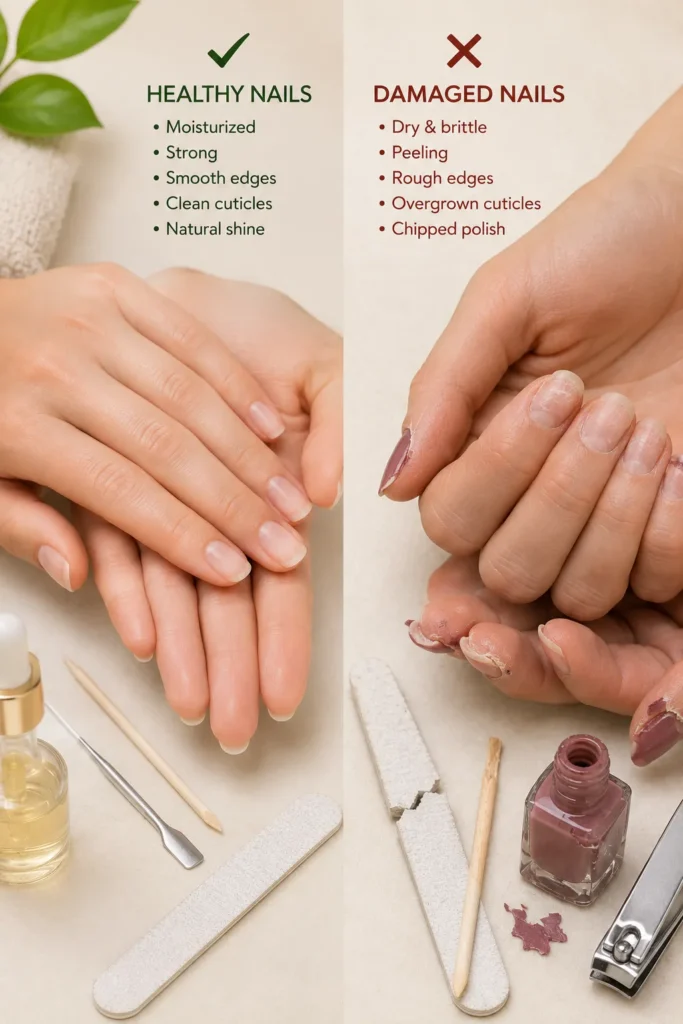
Healthy nails are smooth, firm, and evenly colored without deep ridges, peeling, or excessive brittleness. While some nail concerns may be related to medical conditions, many everyday issues are caused by environmental damage or poor nail habits. Simple preventive care can help maintain healthy nail structure.
Regular maintenance also makes manicures look better and last longer. Whether you prefer natural nails or polish, a healthy nail surface creates the perfect base for any style.
Understanding the Structure of Your Nails
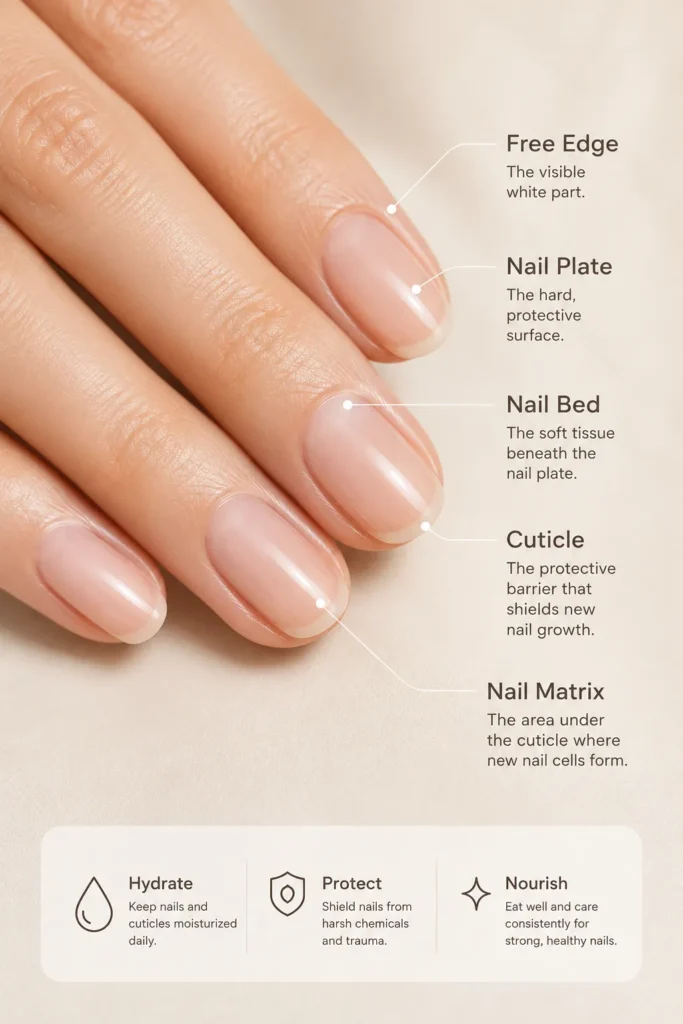
Before creating a nail care routine, it’s helpful to understand the basic parts of your nails. Each section plays an important role in nail health and growth.
The nail plate is the hard surface you see and paint. Beneath it sits the nail bed, which supports healthy nail growth. At the base of the nail is the nail matrix, where new nail cells are produced. The cuticle forms a protective seal that helps keep bacteria and moisture out of the growing nail.
Because the cuticle serves as a natural barrier, it should never be aggressively cut or torn. Keeping it moisturized is one of the simplest ways to support healthy nail growth and reduce irritation.
Keep Your Nails Clean
Clean nails are the first step toward healthy nails. Dirt, bacteria, and debris can collect underneath long nails, increasing the risk of infections or discoloration.
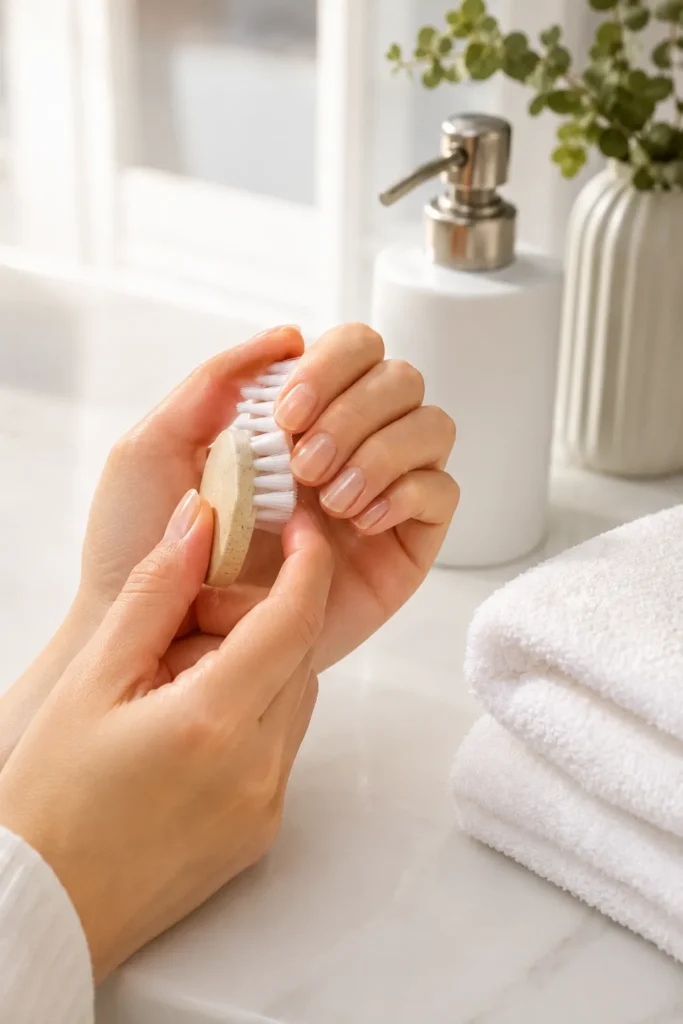
Wash your hands regularly using mild soap and lukewarm water. Gently clean underneath your nails with a soft nail brush when needed, especially after gardening, cooking, or other messy activities. Avoid using sharp objects to scrape beneath your nails, as they can damage the nail bed.
After washing, dry your hands thoroughly. Leaving moisture trapped around the nails for long periods may weaken them and soften the nail plate.
Moisturize Your Nails and Cuticles Daily
Many people remember to moisturize their hands but forget about their nails. Nails naturally lose moisture throughout the day, especially after frequent handwashing or using alcohol-based sanitizers.
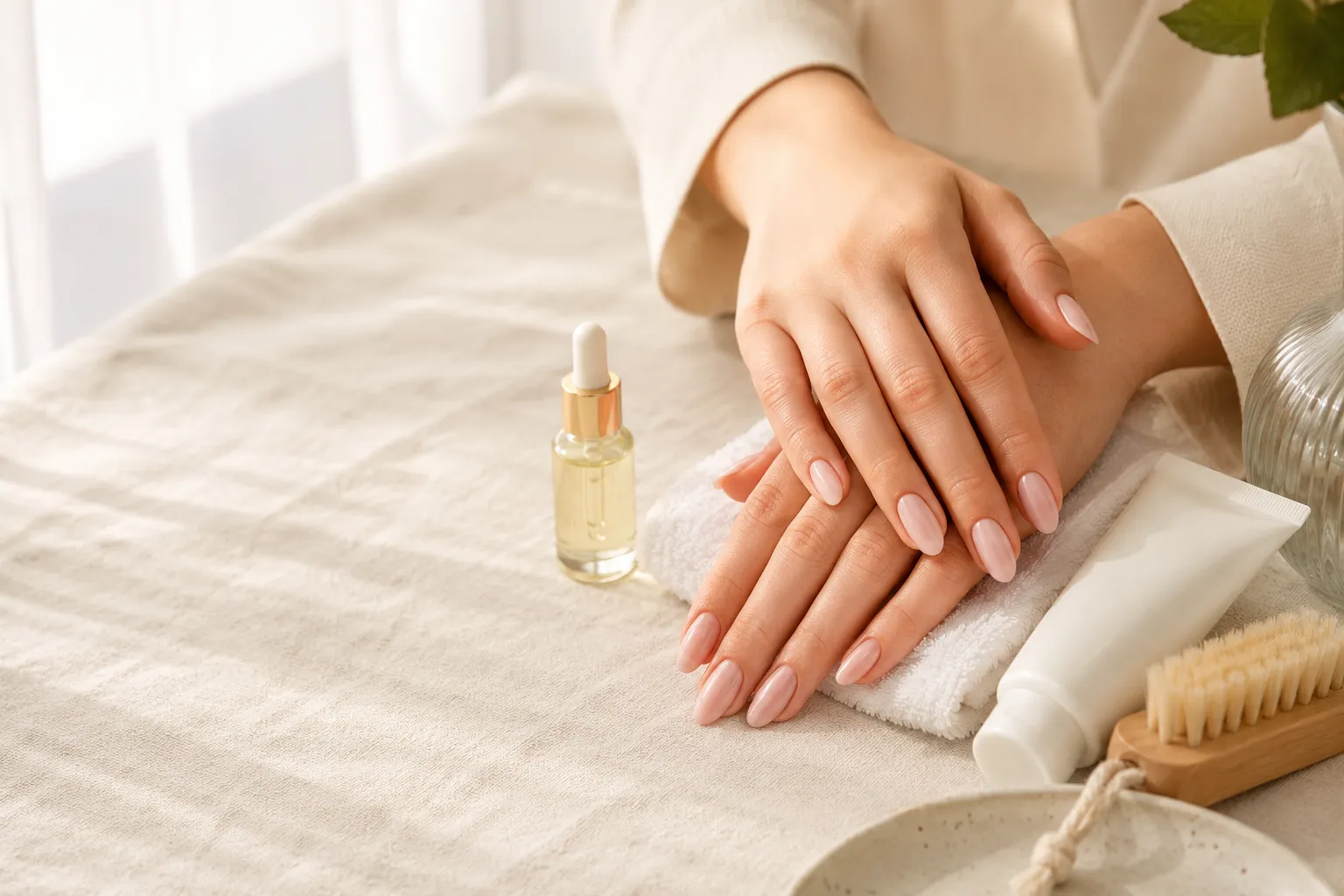
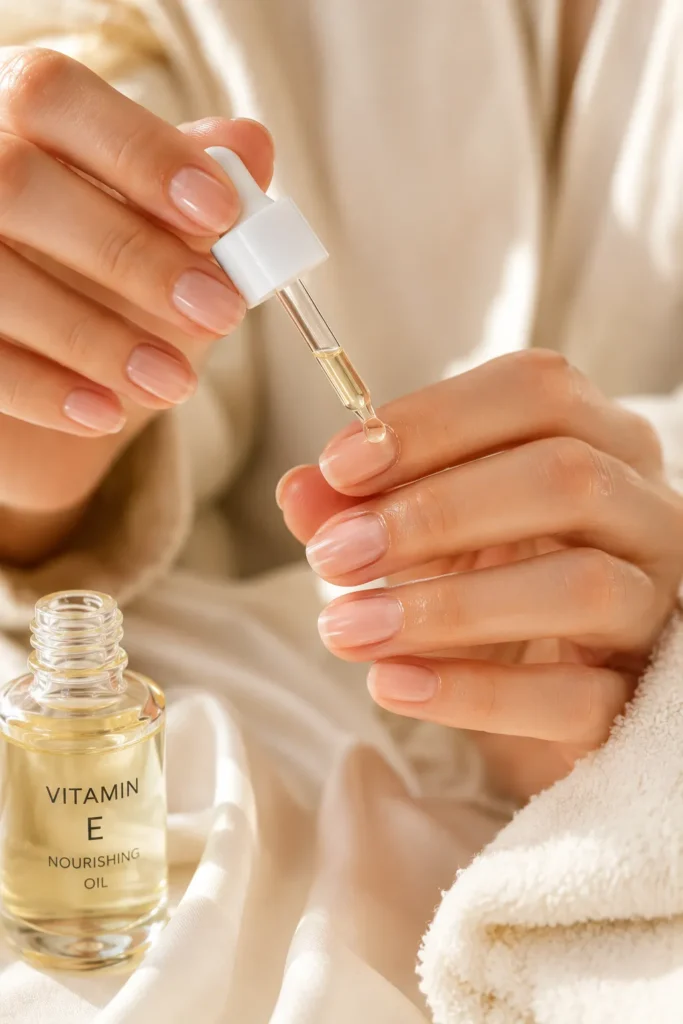
Apply cuticle oil once or twice daily to nourish both the cuticles and surrounding skin. Ingredients such as jojoba oil, vitamin E, almond oil, and avocado oil help lock in moisture while improving flexibility.
Follow with a quality hand cream to seal in hydration. Consistent moisturizing helps reduce hangnails, peeling, and dry cuticles while giving nails a healthier appearance.
Trim and File Nails Properly
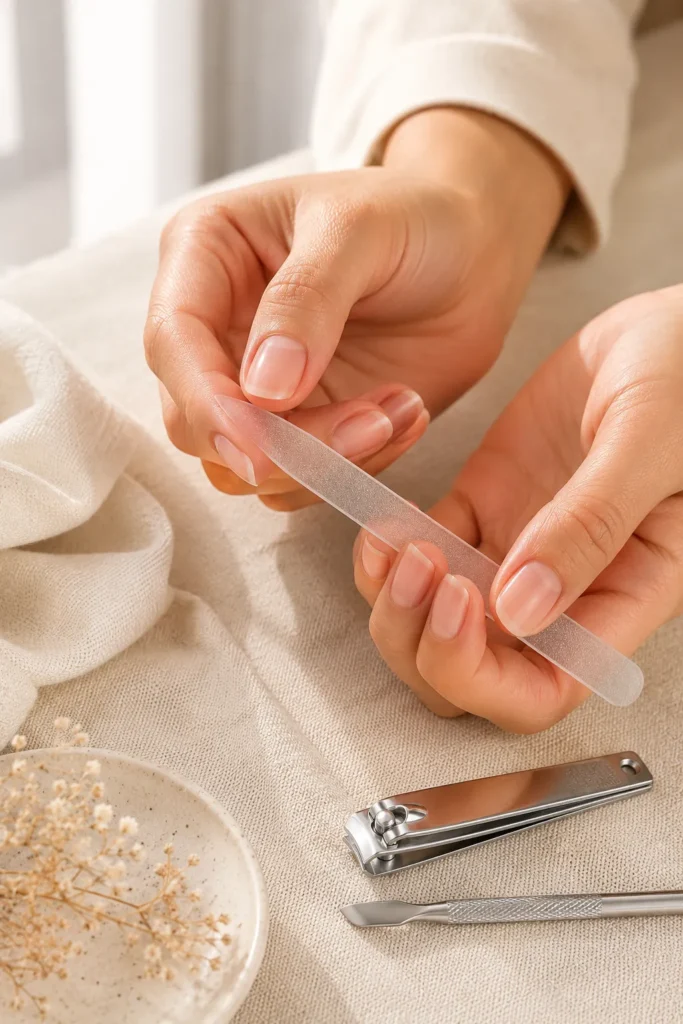
Regular trimming prevents nails from becoming too long and vulnerable to breaks. Use sharp nail clippers designed specifically for fingernails, and trim them to your preferred length every couple of weeks.
When filing, always use a fine-grit nail file and move in one direction rather than sawing back and forth. This reduces splitting and helps maintain smooth nail edges.
Choose a nail shape that complements your lifestyle. Rounded and squoval nails tend to be more durable than sharp shapes, making them an excellent option for beginners.
Avoid Overexposure to Water
Although washing your hands is essential, prolonged exposure to water can actually weaken your nails. Nails absorb water much like a sponge, causing them to expand and contract repeatedly.
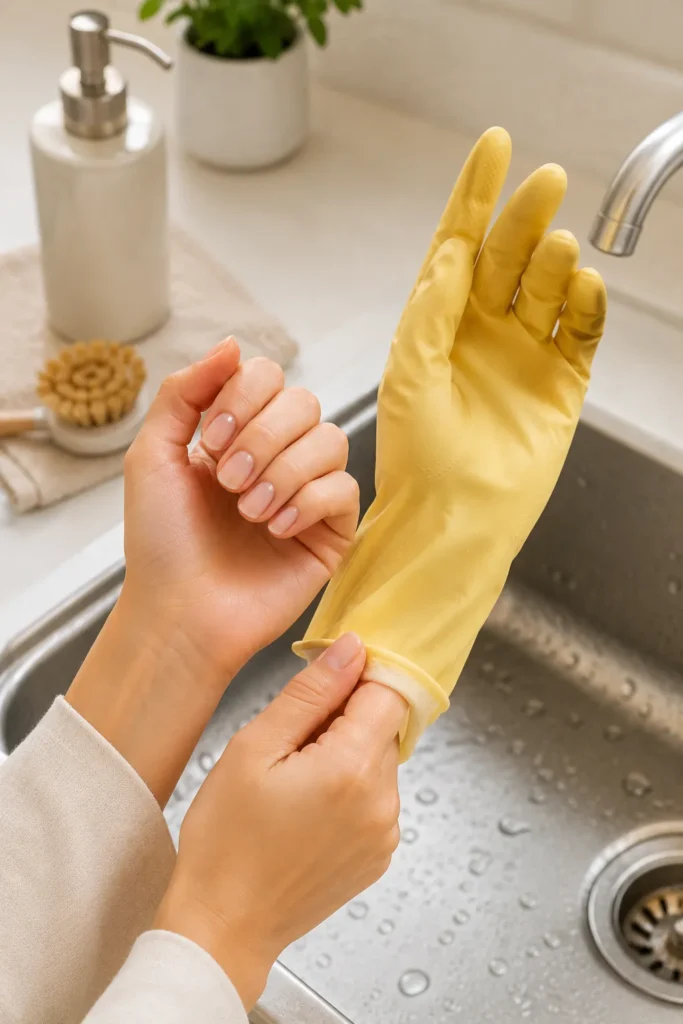
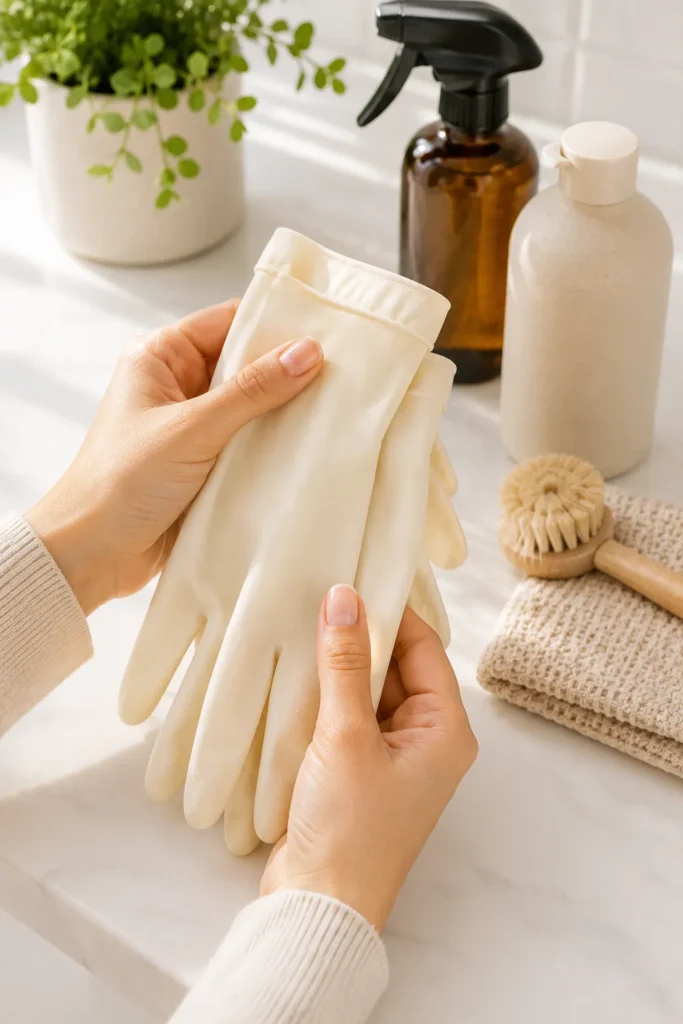
This constant swelling and shrinking can lead to peeling, splitting, and brittleness over time. Wearing gloves while washing dishes, cleaning, or gardening helps protect both your nails and skin.
Whenever your hands become wet, apply moisturizer afterward to restore lost hydration and strengthen the protective barrier around your nails.
Protect Nails from Harsh Chemicals
Household cleaners, detergents, and certain beauty products contain chemicals that can dry out and weaken your nails. Frequent exposure may also irritate the surrounding skin and cuticles.
Wear rubber gloves during household chores involving cleaning products or prolonged water exposure. If you regularly use nail polish remover, choose an acetone-free formula whenever possible, as pure acetone can quickly strip away natural oils.
Limiting unnecessary chemical exposure allows nails to remain stronger and less prone to damage.
Eat Foods That Support Healthy Nails
Strong nails begin from within. A balanced diet provides the nutrients needed to support healthy nail growth and strength.
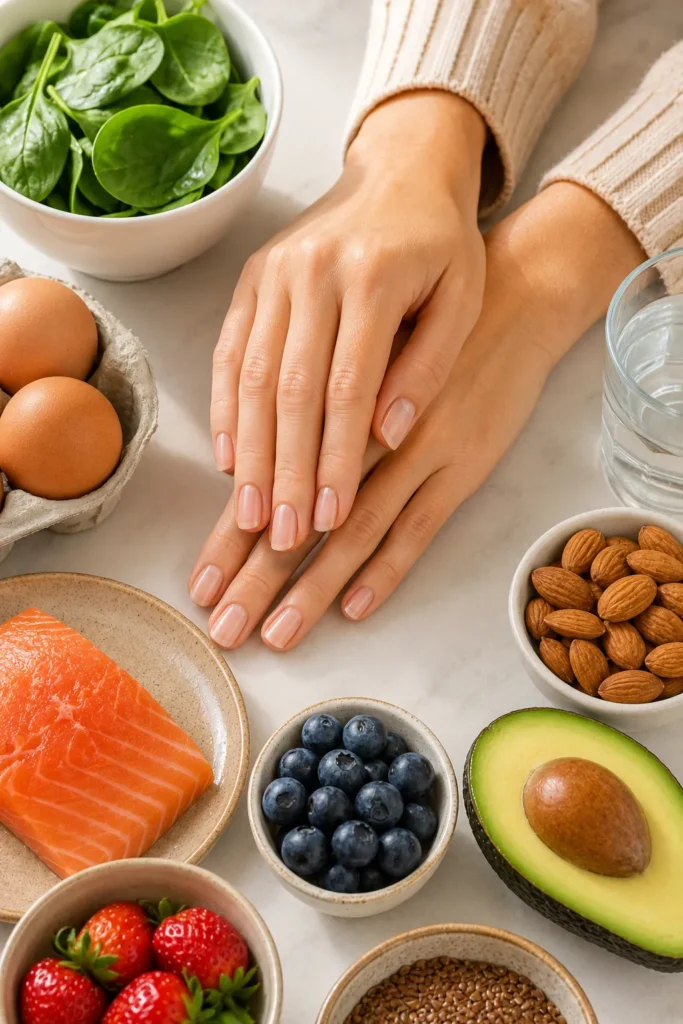
Protein is especially important because nails are made primarily of keratin. Foods such as eggs, chicken, fish, beans, and Greek yogurt provide excellent protein sources. Leafy greens, nuts, seeds, berries, and colorful vegetables also supply vitamins and minerals that contribute to overall nail health.
Drinking enough water throughout the day helps maintain hydration, benefiting both your nails and your skin. While supplements may help some individuals with nutrient deficiencies, it’s best to focus on a well-rounded diet unless advised otherwise by a healthcare professional.
Give Your Nails a Break
Constantly wearing nail polish, gel manicures, or acrylic enhancements may leave nails feeling dry or weakened over time, especially if removal is done improperly.
Allow your natural nails occasional breaks between manicures. During these periods, focus on moisturizing, trimming, and protecting your nails while avoiding unnecessary stress.
If you enjoy regular polish, use a strengthening base coat and remove polish gently without scraping or peeling. Patience during removal helps preserve the integrity of the nail plate.
Stop Biting or Picking Your Nails
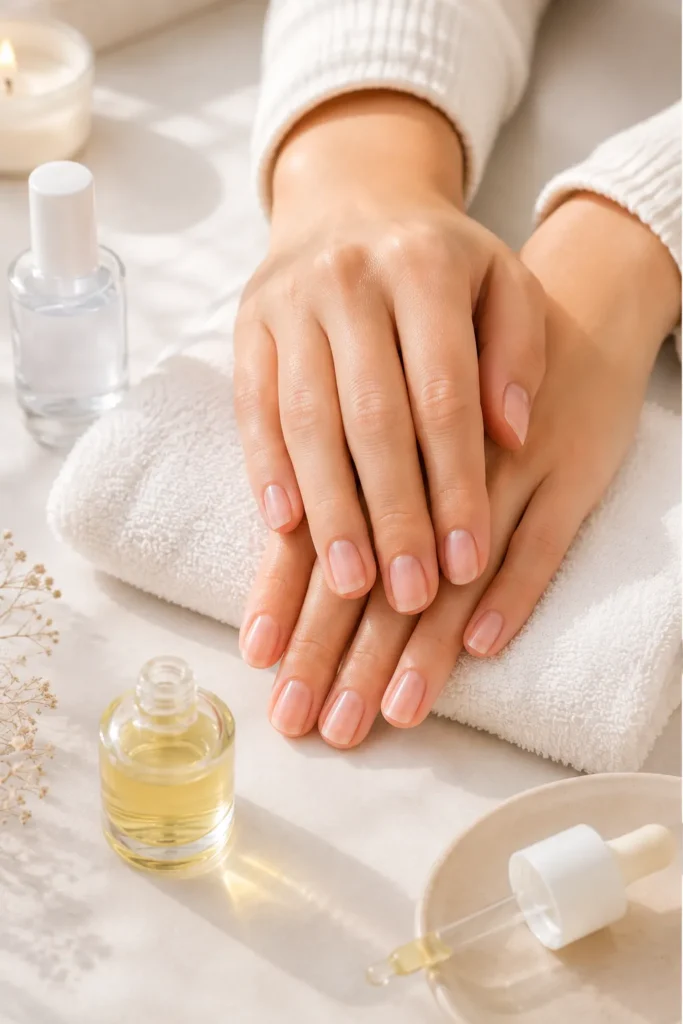
Nail biting is one of the most common habits that prevents healthy nail growth. It damages the nail plate, weakens surrounding skin, and increases the risk of infections.
Similarly, picking at polish or peeling gel products can remove layers of the natural nail, leaving it thin and fragile. If breaking these habits feels difficult, keeping nails neatly trimmed or applying a clear strengthening polish may help reduce the temptation.
Over time, avoiding these habits allows damaged nails to recover and grow more evenly.
Common Nail Care Mistakes Beginners Should Avoid
Many beginners unintentionally damage their nails through simple everyday habits. Avoiding these mistakes can significantly improve nail health over time.
Common mistakes include:
- Using nails as tools to open packages
- Cutting cuticles instead of moisturizing them
- Filing aggressively back and forth
- Skipping hand and cuticle moisturizer
- Peeling off nail polish
- Overusing acetone removers
- Ignoring broken nails until they worsen
- Wearing wet gloves for extended periods
- Leaving chipped polish on for too long
- Neglecting regular nail maintenance
Replacing these habits with gentle nail care practices helps prevent unnecessary damage.
A Simple Weekly Nail Care Routine
You don’t need a lengthy beauty routine to maintain healthy nails. A few minutes each week can make a noticeable difference.
Start by removing old polish gently if needed. Trim and file your nails into your preferred shape, then soak your fingertips briefly in warm water before applying cuticle oil. Massage the oil into each nail and follow with a rich hand cream.
Finish with a strengthening base coat or clear nail treatment if desired. Throughout the week, continue moisturizing your hands and cuticles daily while protecting your nails during household chores.
Consistency is far more important than perfection. Small habits practiced regularly often produce the best long-term results.
Final Thoughts
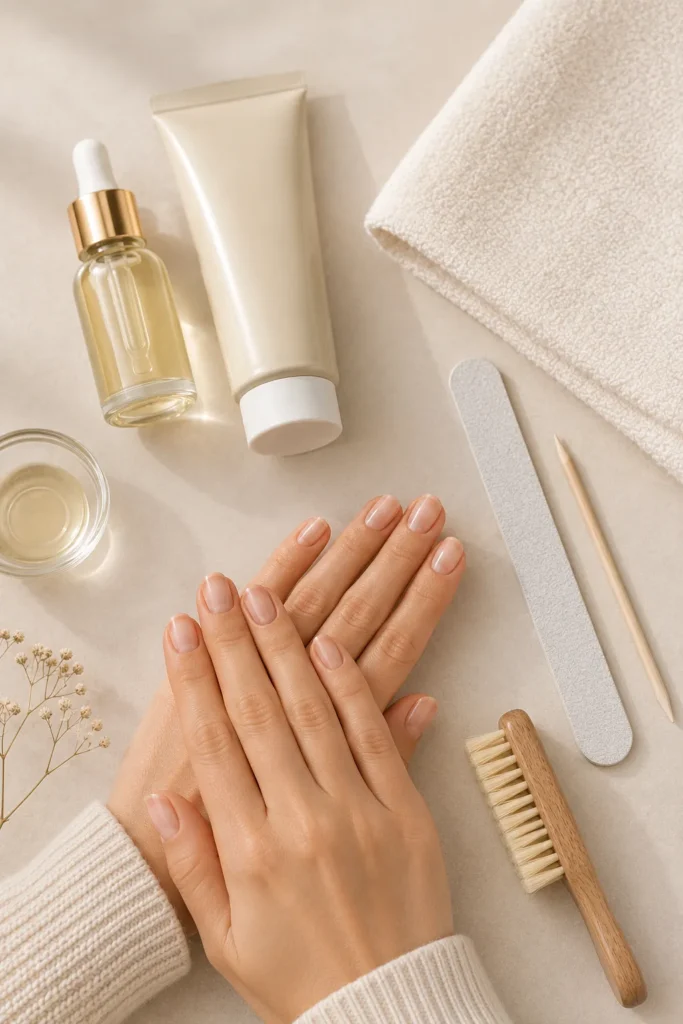
Healthy nails don’t happen overnight, but they are achievable with simple, consistent care. By keeping your nails clean, moisturizing daily, protecting them from damage, and maintaining healthy habits, you create the ideal environment for strong natural nail growth.
Remember that every person’s nails grow at a different pace, so patience is key. Rather than searching for quick fixes, focus on building a routine you can realistically maintain. Over time, these small daily efforts can lead to smoother, stronger, and healthier nails that you’ll feel proud to show off.
Whether you’re starting your first nail care routine or refreshing old habits, these beginner-friendly tips provide a solid foundation for beautiful nails that last.