
Acrylic Nails Explained: Pros, Cons, Removal Methods & Healing Advice
Acrylic nails are one of the most popular ways to create longer, stronger-looking, and beautifully shaped nails. From classic French tips to bold nail art, acrylics can transform the appearance of your hands while giving you plenty of room to experiment with different lengths and shapes. However, getting acrylic nails is not simply about choosing a pretty design. Understanding how acrylics work, their advantages and disadvantages, proper removal, and aftercare can help you enjoy them while protecting the natural nails underneath.
Whether you are considering acrylics for the first time or regularly wear them, knowing what happens before, during, and after an acrylic manicure can make a big difference. This guide explains the essentials in simple terms, including the benefits, potential drawbacks, safe removal methods, and practical healing advice for your natural nails.
What Are Acrylic Nails?
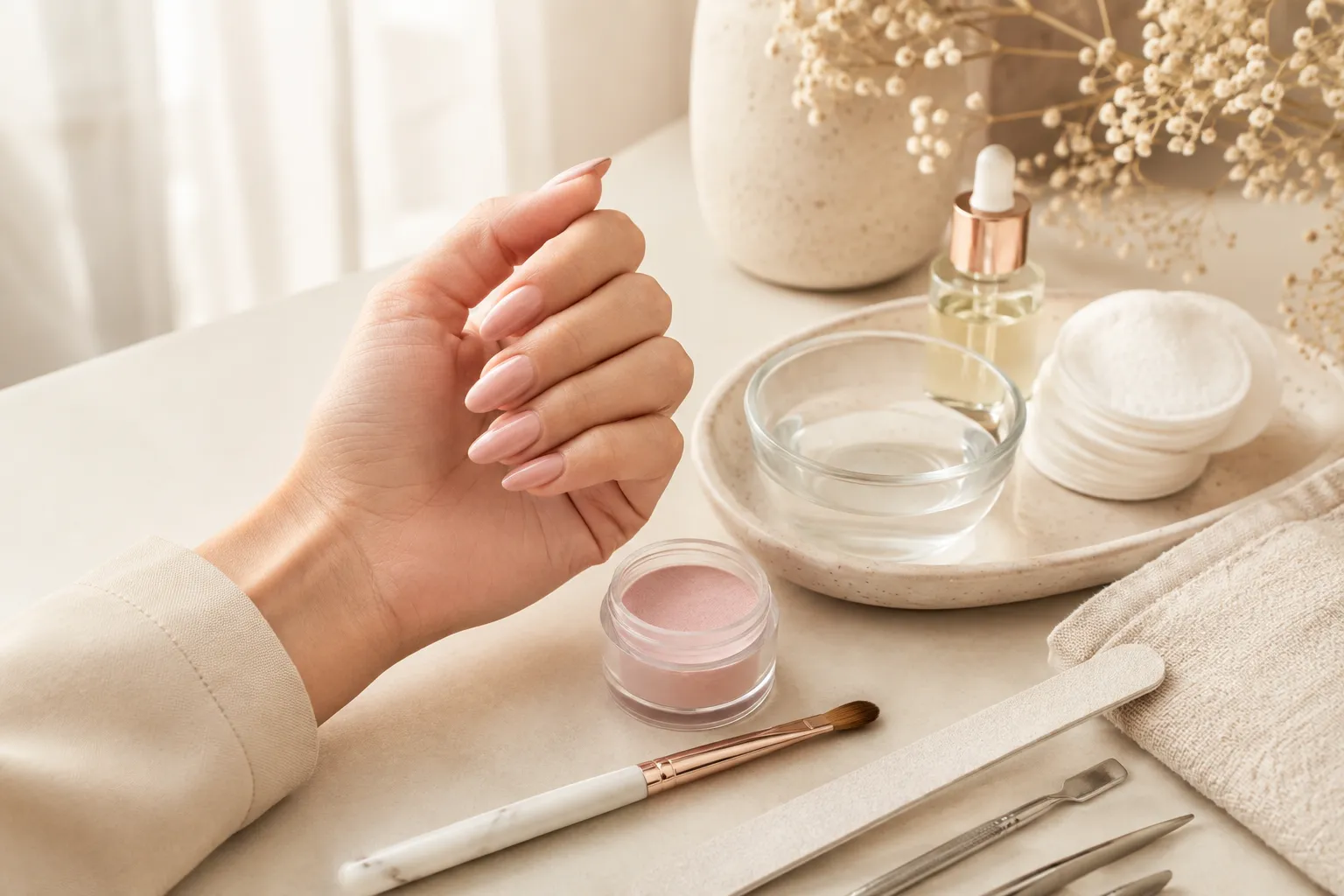
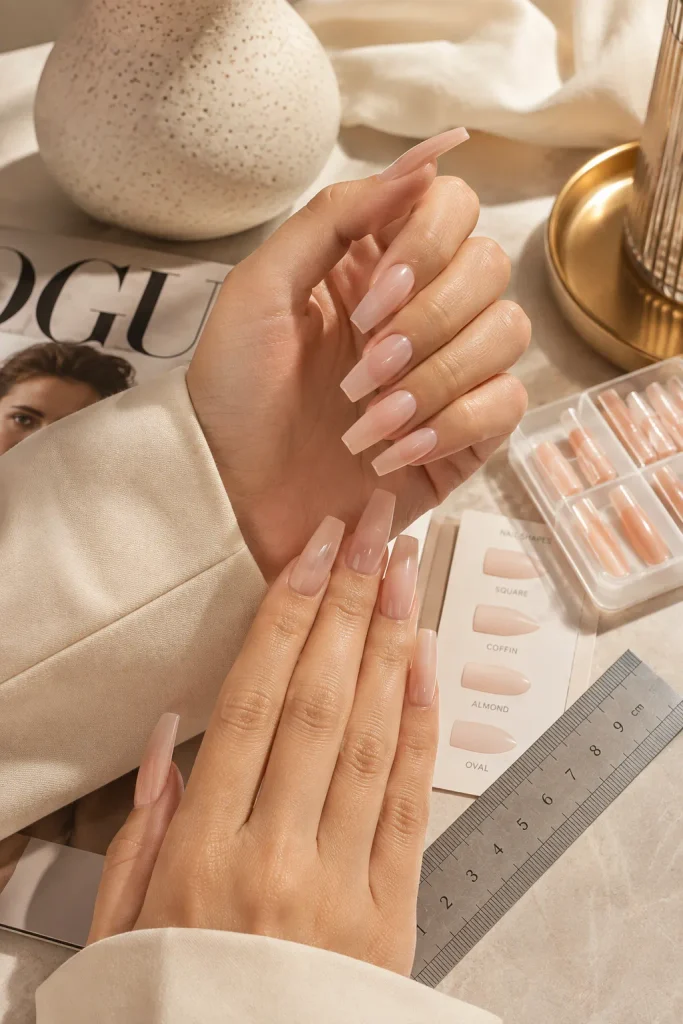
Acrylic nails are artificial enhancements created by combining a liquid monomer with a powdered polymer to form a workable acrylic material. A nail technician applies this mixture over the natural nail or an extension tip and shapes it before it hardens. Once finished, acrylics can be filed into many different shapes, including square, almond, coffin, oval, and stiletto.
One reason acrylics remain popular is their versatility. They can add length to short nails, create a more uniform appearance, and provide a durable surface for polish and nail art. Depending on the desired look, acrylic nails can be kept natural and understated or decorated with chrome, glitter, gems, French tips, or detailed artwork.
1. Acrylic Nails Can Add Length and Shape
One of the biggest advantages of acrylic nails is the ability to create length almost instantly. If your natural nails are short or uneven, acrylic extensions can provide a longer canvas without waiting months for natural growth. This makes them especially appealing when you want a dramatic manicure for an event or simply prefer longer nails.
Acrylics also make it easier to achieve consistent shapes. A skilled nail technician can create balanced almond, coffin, square, oval, or stiletto nails based on your preferences. The result can make the hands appear more polished and put-together while giving you greater freedom with nail designs.
2. They Offer Plenty of Design Possibilities
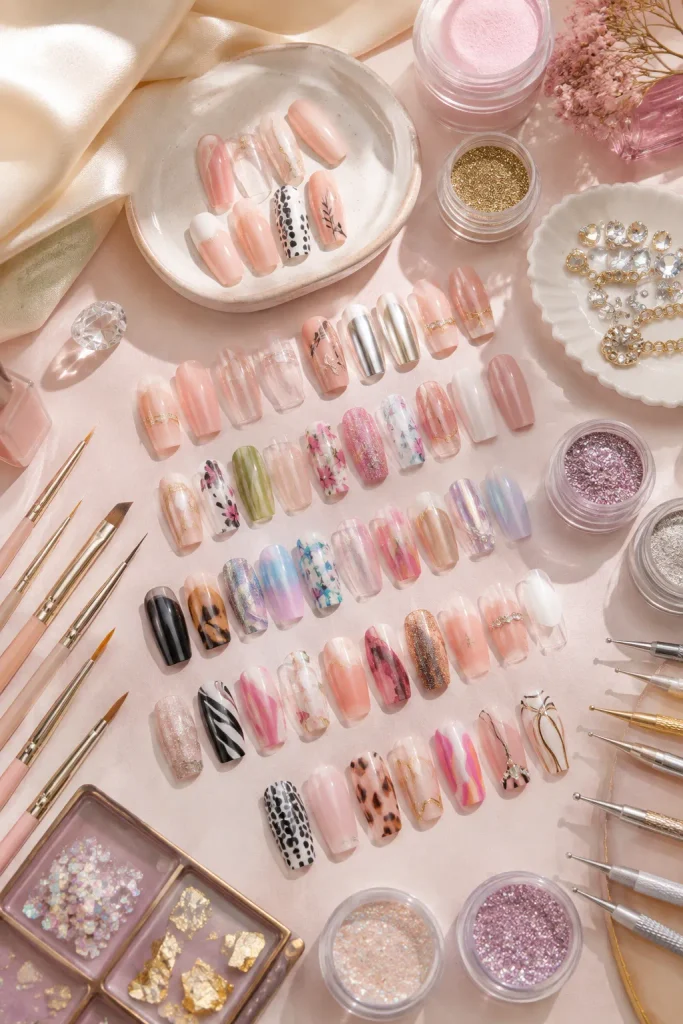
Acrylic nails are an excellent choice if you enjoy experimenting with nail art. Their length and structure provide enough surface area for everything from delicate micro-French tips to elaborate floral artwork. You can also combine different finishes, colors, textures, and decorative elements.
Because acrylic extensions can be customized, the manicure can be adapted to different occasions and personal styles. A short nude acrylic set can look professional and subtle, while long chrome or embellished nails can create a much more dramatic statement. This flexibility is one reason acrylics continue to appear in countless beauty trends.
3. Acrylics Can Feel Durable, but They Are Not Indestructible
When properly applied and maintained, acrylic nails can provide a durable manicure that lasts longer than many traditional polish applications. The hardened enhancement can withstand normal daily activities and help create a more substantial nail surface.
However, durability should not be confused with invincibility. Biting, picking, opening containers with your nails, or using excessive force can damage both the enhancement and the natural nail underneath. A strong acrylic manicure still needs gentle handling to reduce unnecessary stress.
4. Acrylic Nails Require Regular Maintenance
Acrylic nails do not stay perfectly fresh forever. As your natural nails grow, a visible gap develops between the acrylic enhancement and the cuticle area. Regular maintenance appointments, often called fills or infills, can address this regrowth and restore the appearance of the manicure.
The timing of maintenance varies depending on individual nail growth and the condition of the enhancement. Waiting too long can allow the structure to become unbalanced, particularly when the natural nail has grown significantly. Regular professional maintenance can help keep the enhancement properly shaped and reduce the temptation to fix lifting or damage at home.
5. Potential Downsides of Acrylic Nails
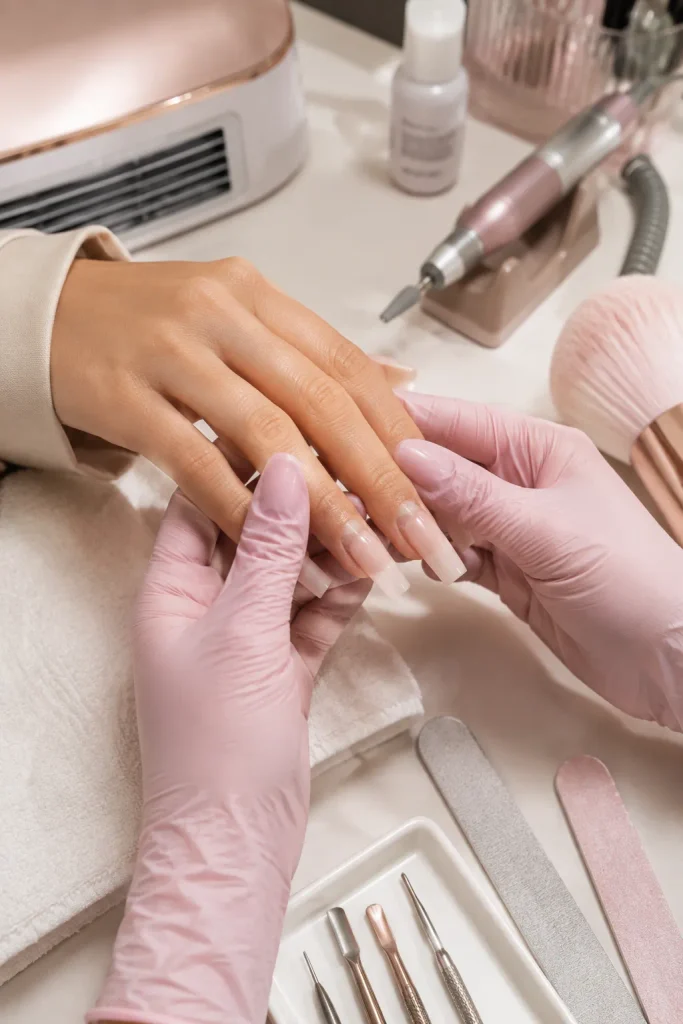
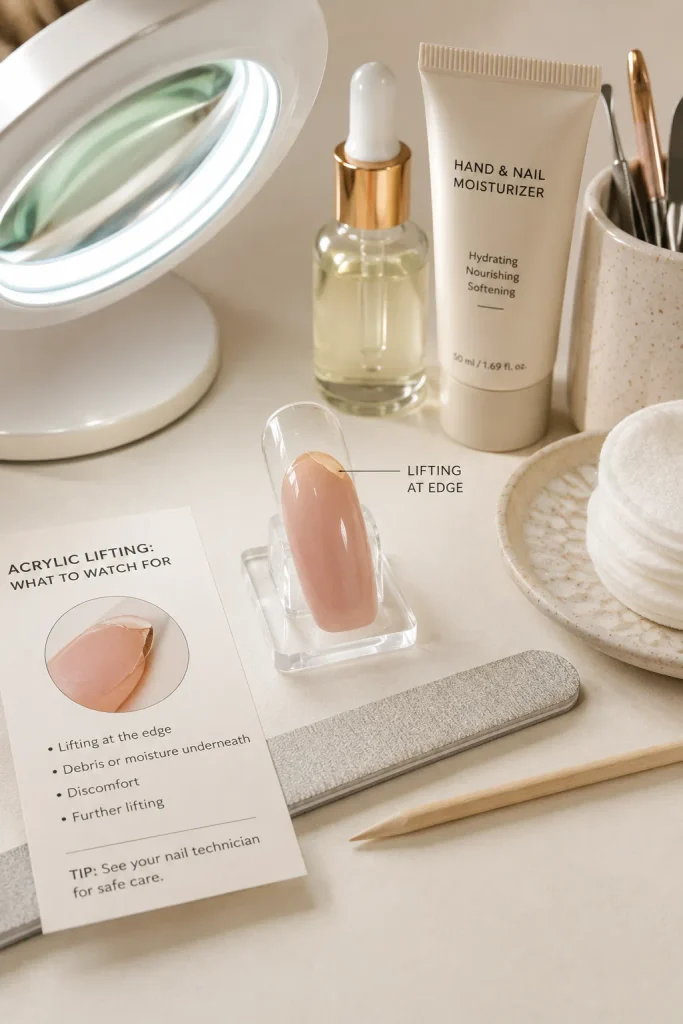
Although acrylics offer many cosmetic benefits, they also have potential disadvantages. The application process involves preparation of the natural nail, and improper filing or aggressive preparation can weaken the nail plate. Problems can also arise when enhancements are repeatedly picked, pulled, or removed incorrectly.
Another consideration is the maintenance commitment. Acrylics require regular appointments and careful removal when you are ready for a break. If an acrylic nail becomes damaged or starts lifting, ignoring the problem may allow moisture and debris to become trapped beneath the enhancement. Professional attention is preferable when there is significant lifting, pain, or other unusual changes.
6. Acrylics May Make Natural Nails Look Thin After Removal
Many people notice that their natural nails appear thinner, softer, or more fragile immediately after acrylic removal. This does not necessarily mean that acrylic products permanently damaged the nails. The appearance can be influenced by filing during preparation and removal, dehydration, or the fact that the natural nail has been covered by an enhancement for an extended period.
The most important factor is how the acrylics are removed. Pulling, peeling, or forcibly popping off an enhancement can remove layers of the natural nail with it. This is one of the biggest mistakes to avoid. Proper removal should be gradual and gentle rather than rushed.
7. How to Remove Acrylic Nails Safely
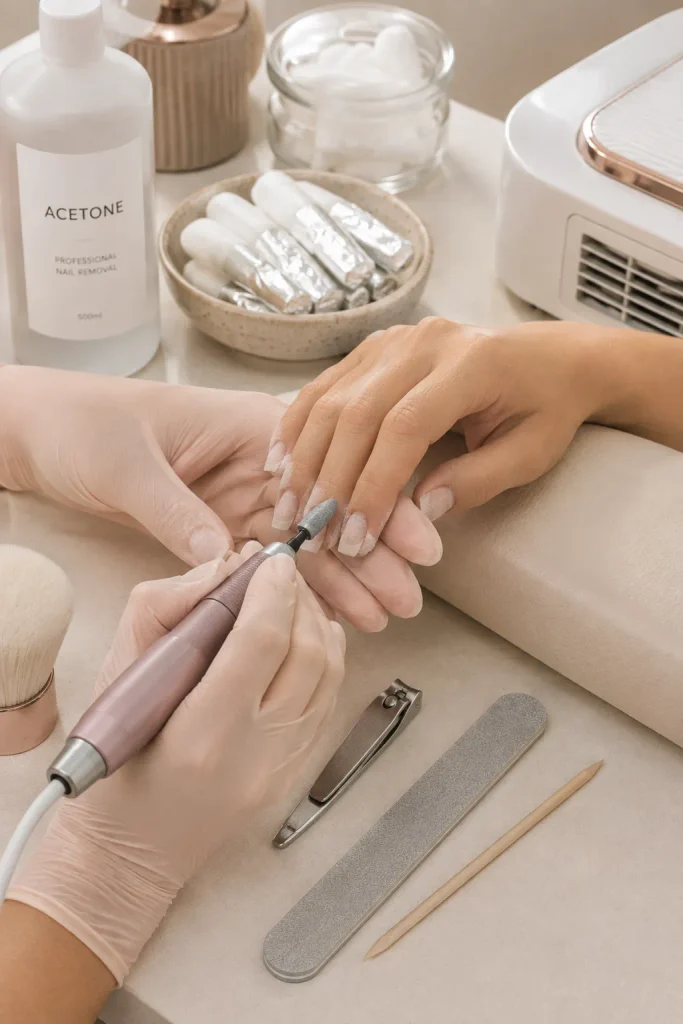
The safest approach is to have acrylics removed by a qualified nail professional, particularly if the enhancements are thick, heavily decorated, damaged, or lifting. A professional can reduce the product carefully before soaking or using appropriate removal techniques.
At home, acrylic removal commonly involves trimming excess length, carefully reducing the bulk of the product, and soaking the remaining acrylic in acetone. The process can take time because the product needs to soften gradually. Avoid forcing the acrylic away from the natural nail simply because it has partially loosened.
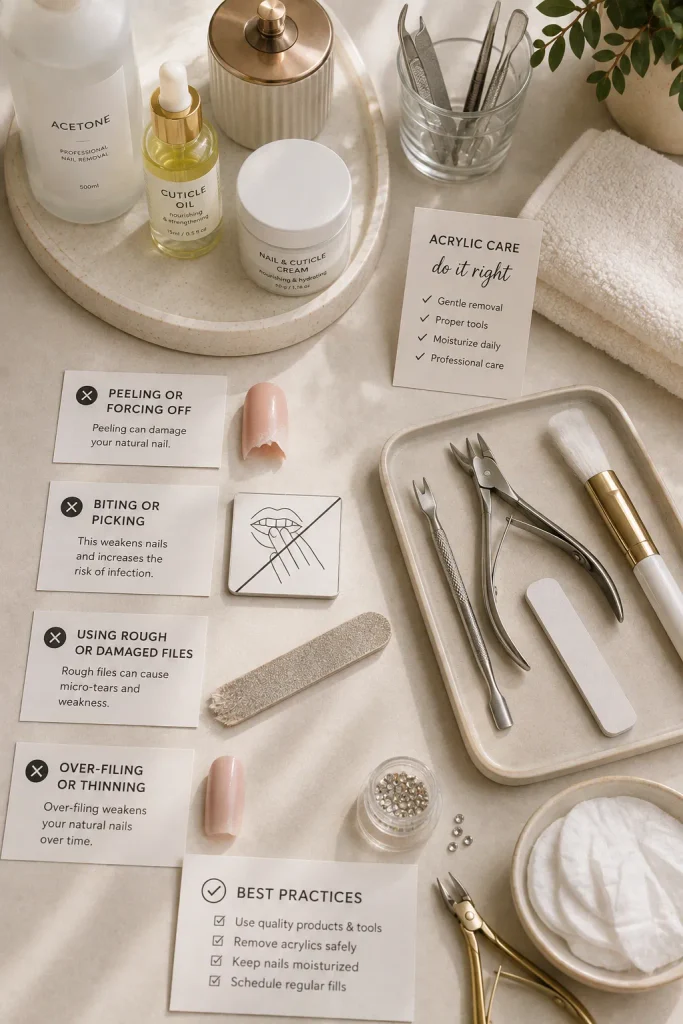
Never peel, pry, bite, or pull acrylics off. If the product is not releasing easily, continue the appropriate removal process rather than applying force. If there is pain, bleeding, significant lifting, discoloration, or suspected infection, stop the process and seek professional advice.
8. Give Your Natural Nails Gentle Aftercare
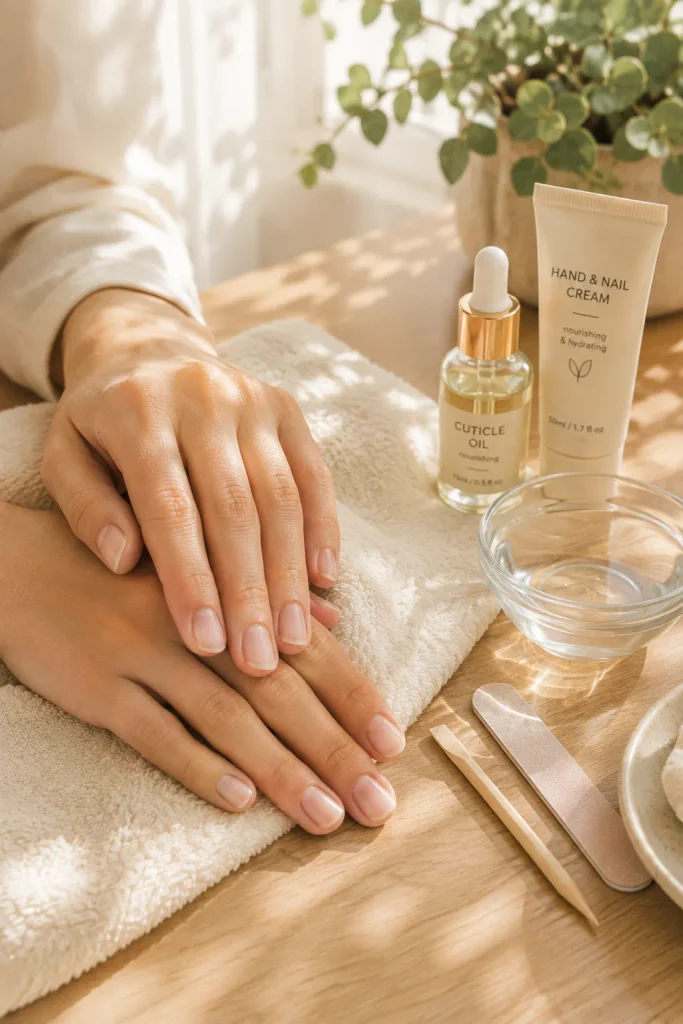
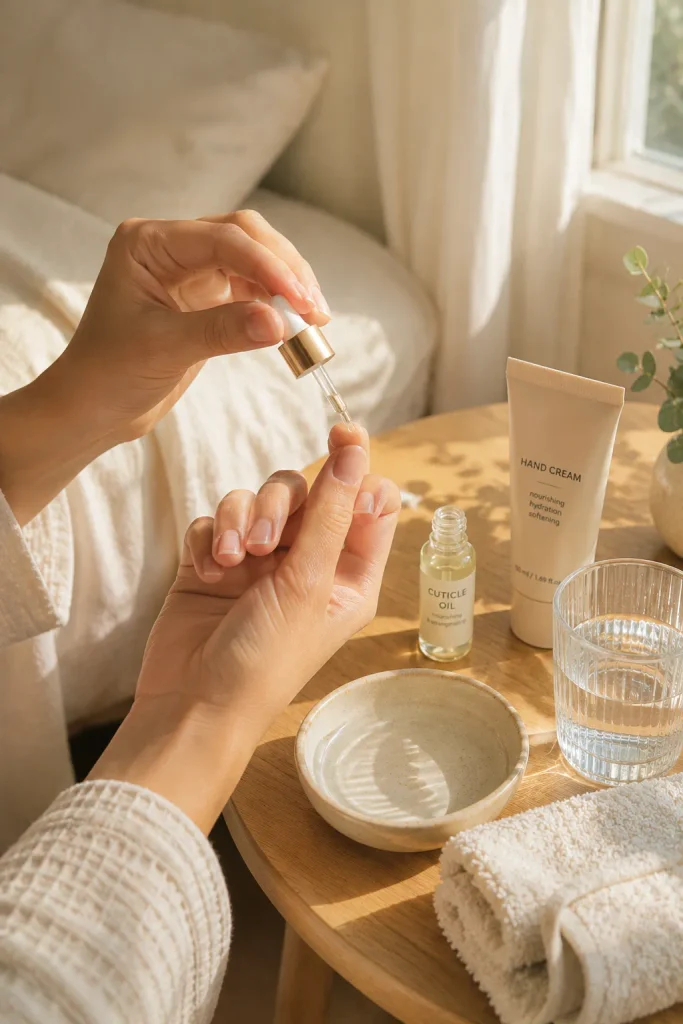
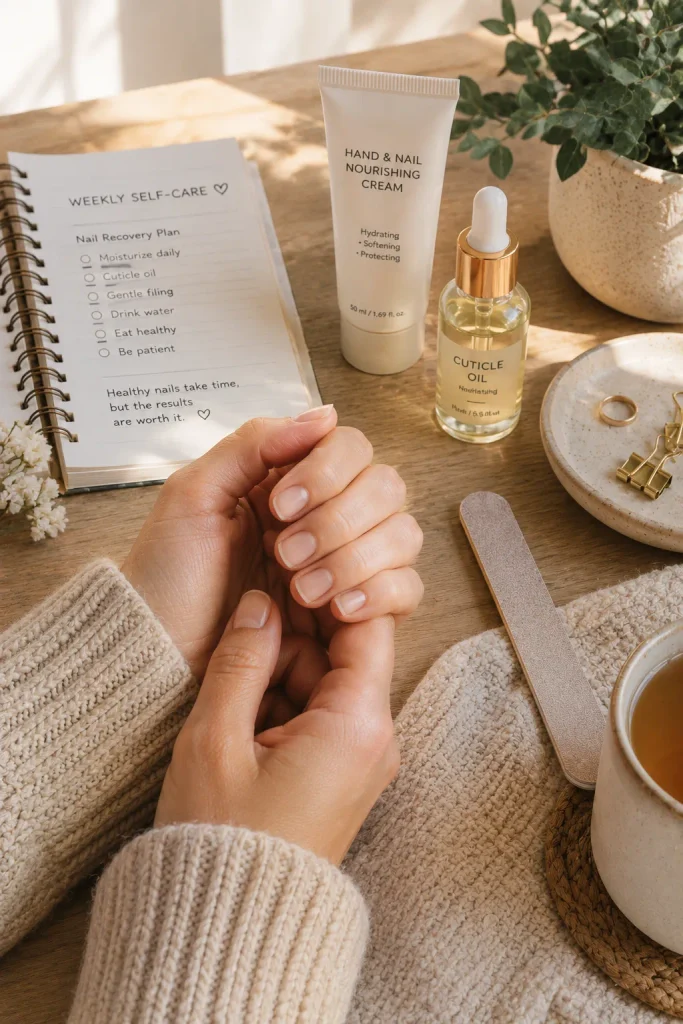
After acrylic removal, your natural nails may benefit from a period of gentle care. Keep them clean and reasonably short while they regain their normal feel. A nourishing cuticle oil or moisturizing hand and nail product can help reduce dryness around the nail area.
Avoid aggressive buffing immediately after removal. Your nails do not need to be polished or heavily filed to look healthy. Keeping the routine simple is often better: gentle filing for rough edges, regular moisturizing, and protection from unnecessary trauma can support comfortable nail maintenance.
9. Let Damaged Nails Recover Before Another Set
If your nails feel unusually thin, painful, severely peeling, or otherwise damaged after acrylic removal, consider taking a break from enhancements. Applying another set immediately may make it harder to notice changes in the natural nail or may expose already-fragile nails to additional filing and product application.
Nails grow gradually, so recovery is largely a matter of allowing healthy nail to grow out while protecting the existing nail. Keep your nails at a manageable length, avoid picking at peeling areas, and moisturize regularly. If damage persists or you notice concerning changes, consult a dermatologist or qualified healthcare professional.
10. Choose a Qualified Nail Technician
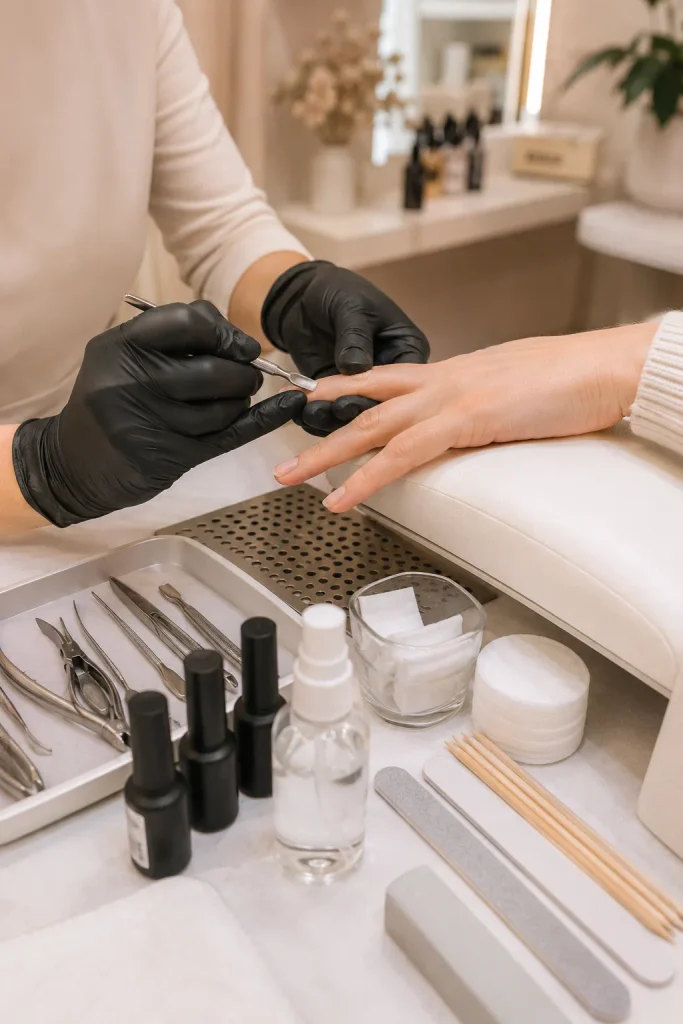
The quality of the application matters just as much as the products used. A knowledgeable nail technician should prepare the natural nail carefully, avoid excessive filing, maintain clean tools, and apply the enhancement without causing unnecessary pressure or discomfort.
Good salon hygiene is also essential. Tools and work surfaces should be appropriately cleaned and disinfected according to professional standards. Do not feel pressured to continue a service that causes significant pain or discomfort. A beautiful manicure should not require ignoring warning signs from your natural nails.
Acrylic Nails vs. Natural Nails: Which Is Better?
There is no universal answer because the best choice depends on your lifestyle, nail condition, and personal preferences. Acrylics can be useful when you want added length, a particular shape, or a durable base for nail art. Natural nails may be more convenient if you prefer low-maintenance manicures or do not want regular enhancement appointments.
If your natural nails are already fragile or damaged, it can make sense to focus on basic nail care before choosing an enhancement. The goal should not simply be to maintain a beautiful manicure but also to maintain healthy skin and nails underneath it.

Common Acrylic Nail Mistakes to Avoid
Several habits can make acrylic problems more likely. One of the most common is peeling or picking off the enhancement instead of removing it properly. Another is using acrylic nails as tools for opening packages, scraping surfaces, or lifting objects.
Ignoring lifting is another mistake. When an enhancement separates from the natural nail, continuing to wear it without addressing the issue can create an opportunity for moisture and debris to collect underneath. Regular maintenance and prompt attention to damaged nails are much better strategies than trying to hide the problem with another layer of product.
How to Keep Acrylic Nails Looking Better for Longer
Treat your acrylic nails as an enhancement rather than a replacement for ordinary hand care. Wear protective gloves when doing household chores involving prolonged exposure to water or cleaning products. Use your fingertips and tools instead of your nails when opening containers or performing tasks that require leverage.
Moisturizing your hands and cuticles regularly can also make the overall manicure look cleaner and more polished. Keep an eye on the edges and cuticle area, and arrange maintenance before significant growth or lifting becomes a problem. Small habits can help your manicure remain attractive while reducing unnecessary stress on the natural nails.
Final Thoughts
Acrylic nails can be a stylish and versatile way to change the length, shape, and appearance of your manicure. They offer countless design possibilities and can create a polished look that is difficult to achieve with natural nails alone. At the same time, they require maintenance, careful handling, and responsible removal.
The most important lesson is that acrylics should never be forcibly removed or used as substitutes for tools. Pay attention to your natural nails, choose a reputable technician, and give your nails extra care when you take a break from enhancements. With sensible application, maintenance, and removal habits, you can enjoy acrylic nail designs while giving your natural nails the attention they deserve.





One Comment